
Food insecurity

It’s a growing crisis in Alberta.

Nearly 1.5 million people in our province are affected by food insecurity. It’s not about a lack of food — it’s about a lack of income. When budgets fall short, families cut back on meals, buy cheaper products, or go without food.

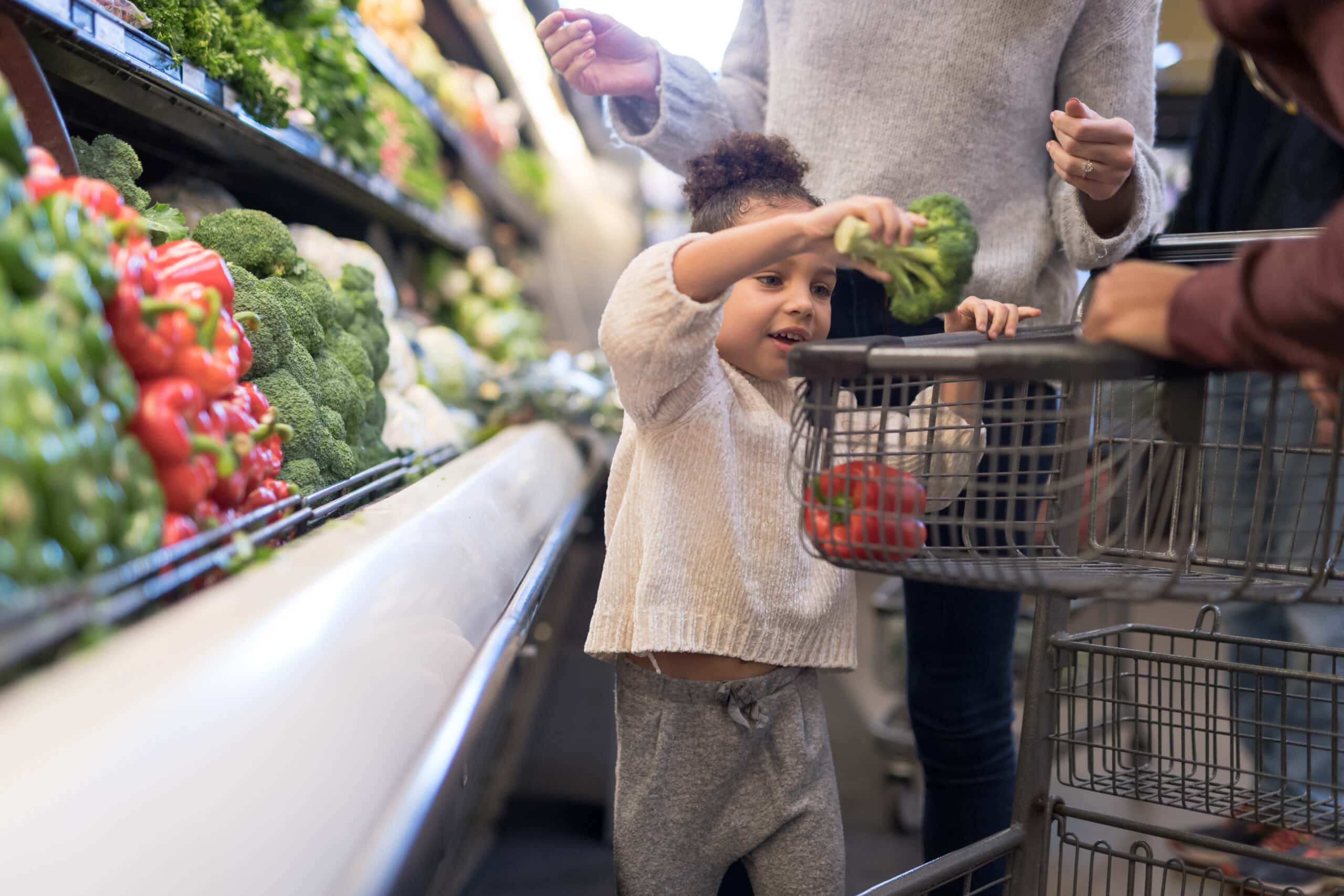
family enjoying mealtime

Food insecurity is more common, and less visible, than you might think.

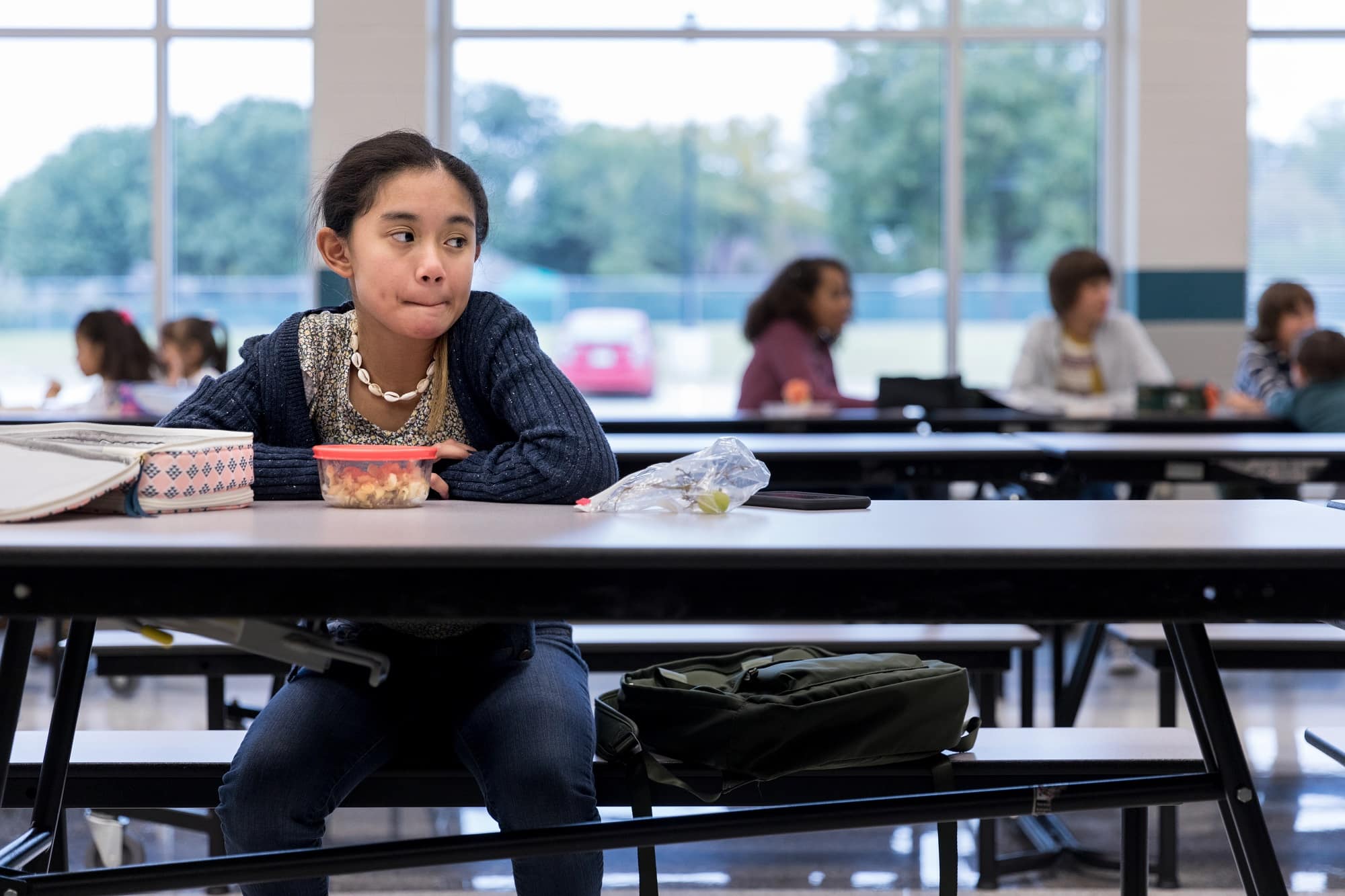
Food insecurity can affect anyone whose income doesn’t stretch far enough to cover all the basics. It’s rarely visible – many food-insecure people are working, raising kids, and renting a home. Food-insecure children are in schools, at playgrounds, and blending into friend groups. You likely know someone who’s food insecure without realizing it.

Working families

People earning low or inconsistent wages, part-time workers, seasonal workers, and those juggling multiple jobs to make ends meet.  

Single parents

Parents, both mothers and fathers, who often shoulder childcare and household costs alone.  

Renters and homeowners

People spending a large share of their budgets on housing, whether rent or a mortgage, who have little control over rent increases and interest rates.  

People on fixed or limited income

Those relying on social assistance, disability benefits, or employment insurance.

Immigrants and refugees

Families facing barriers to employment including language, lack of Canadian work experience, or lack of social networks.  

Indigenous and racialized people

A greater proportion of Indigenous, Black, and other racialized people live in food-insecure households.

People with health challenges

Those with physical disabilities, poor mental health, cognitive, or neurological conditions that create additional challenges and higher healthcare expenses.  

More Alberta kids than ever face food insecurity

1.46 million

Albertans experience food insecurity – up by 80% since 2020.

400,000

kids live in homes without enough nourishment for everyone.

2 in 5

children are affected – almost double the rate from just a few years ago.

Statistics Canada Table 13-10-0834-01 – Food insecurity by economic family type 

Statistics Canada Table 13-10-0835-01 – Food insecurity by selected demographic characteristics 

“We’re all affected when our children fall behind. It weakens our communities, increases public health care costs, and has life-long impacts.”

Bobbi Turko, Co-Founder and Executive Director, I Can for Kids Foundation

When families can’t afford food, kids pay the price.

Health

Food-insecure children require more frequent hospital visits and emergency care, and are at higher risk for chronic conditions. 

Mental health

Repeated experiences of food insecurity lead to more struggles with hyperactivity, depression, and anxiety.  

learning

Food-insecure kids are more likely to miss school, receive lower test scores, and struggle with reading, writing, and math.  

Friendships

Food-insecure kids feel shame and low self-esteem that can affect friendships and lead to social isolation.  

Food insecurity takes different forms.

Severe food insecurity

=

Households regularly go without eating for an entire day or more because there isn’t enough money for food.

Moderate food insecurity

=

Households compromise the quality and/or quantity of food, often skipping meals or buying cheaper, less nutritious options.

Marginal food insecurity

=

Households worry about running out of food or limit the variety of food choices because of a lack of money.

A little relief
makes a big difference.

For families living with food insecurity, every dollar counts. Parents juggle rent, utilities, school costs, and medications – often cutting back on food to keep a roof overhead. Grocery gift cards ease that financial pressure, giving families breathing room to meet all their essential needs.  

How families use grocery gift cards:
R

Stretch the budget

Free up income for rent, bills, and other essentials.

R

Eat healthier

Buy fresh food and meet cultural or dietary needs.

R

Fuel learning

Provide kids with nutritious breakfasts and school lunches.

R

Ease the stress

Shop with dignity, autonomy, and a sense of control.

“I love the added financial relief. The beauty of these cards allows for parents like me, of neurodivergent children, to access special foods – such as dye free, nutritional, natural, and fresh fruits and vegetables, which are harder to access. $50 can go a long way when you’re struggling to get to the next child tax or income support payment. I appreciate the access to help like that as it really alleviates a little bit of the constant worry that single mothers endure daily to make ends meet. Thank you!”

Single mother, McMan Drumheller grocery gift card recipient

Dive deeper

More insightful resources

Learn more about food insecurity and the evidence that informs our work.

Alberta Health Services

Household Food Insecurity Community Action Guide

Alberta Health Services

Backgrounder: Household Food Insecurity in Alberta

Alberta Health Services

Household Food Insecurity: Lived Experiences

PROOF/University of Toronto

Food insecurity research, insights, and policy advocacy

Statistics Canada

Canadian Income Survey

Dietitians of Canada

Position Statement on Household Food Insecurity in Canada

Together, we can take food insecurity off the table.

Grocery gift cards improve the lives of children and families in ways that traditional food programs do not. When you support I Can for Kids you are creating a future where more Albertans live free from food insecurity and have equal opportunities to thrive.